







Just a few months ago, the 600 or so villagers of Barnham went about their lives with little to worry about.
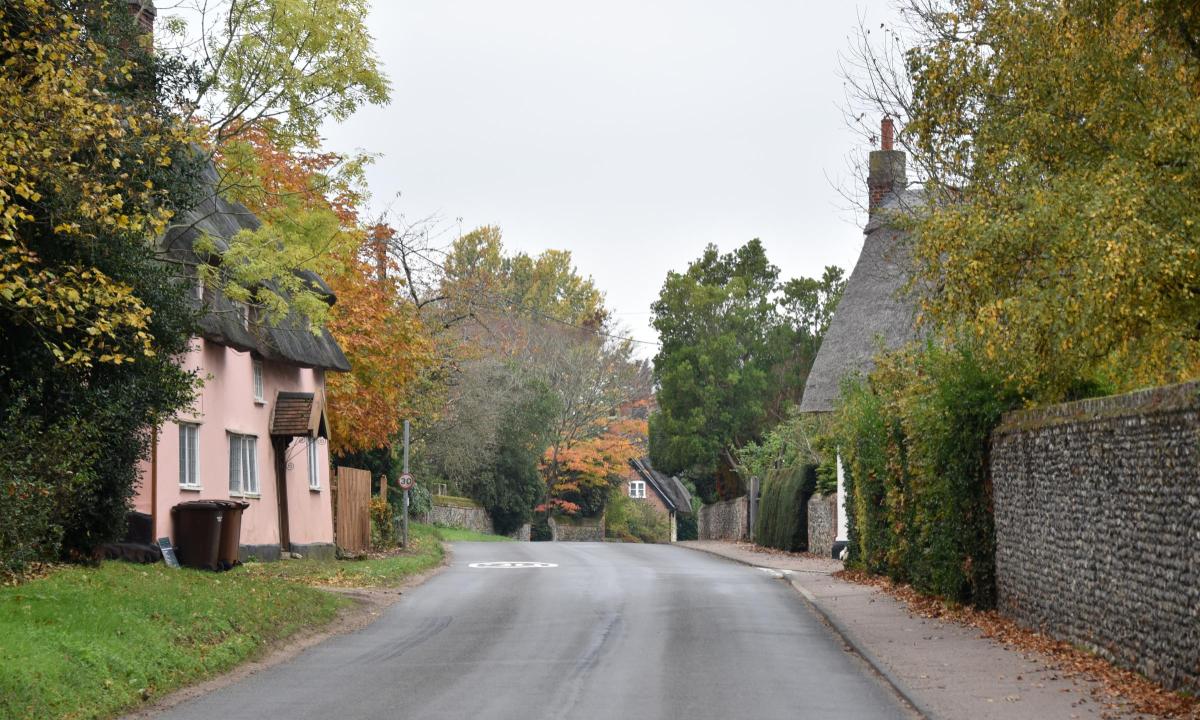
The chocolate box village, which appears in the Domesday Book, has much of what you’d expect of a quintessential English countryside community.
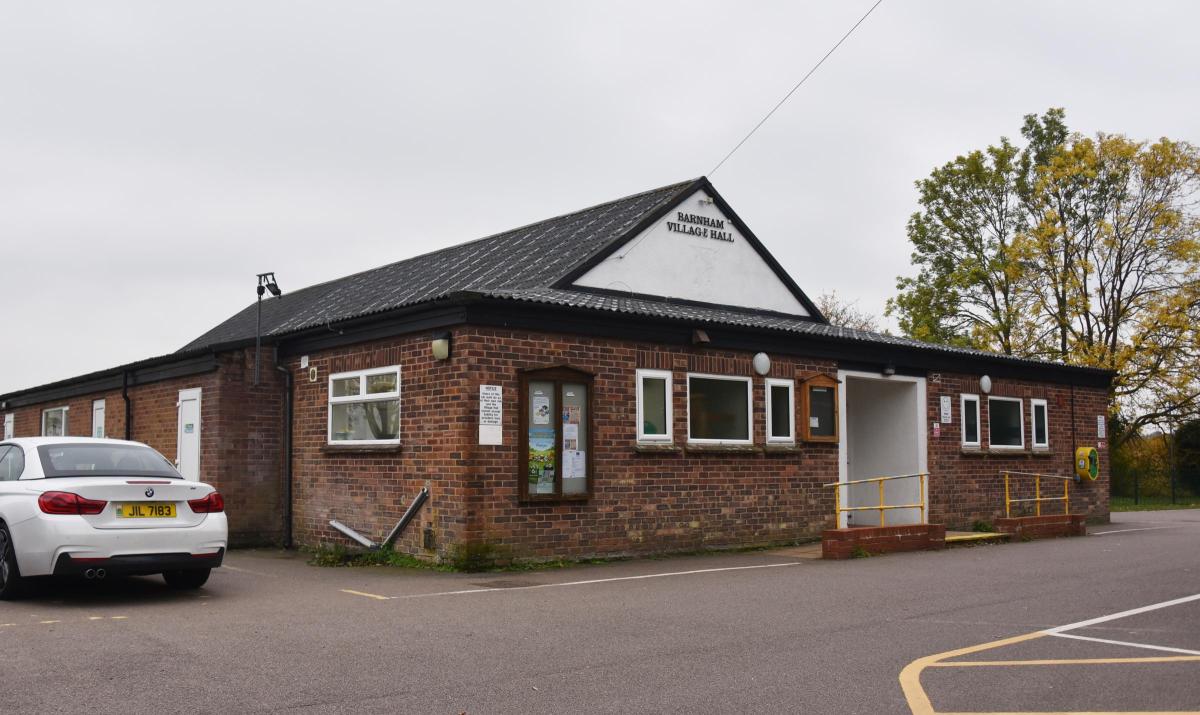
It has no shop and no watering hole, and its most significant buildings are a church, a small primary school and an ageing village hall, which hosts a monthly “pub night” to make up for the lack of a real one.

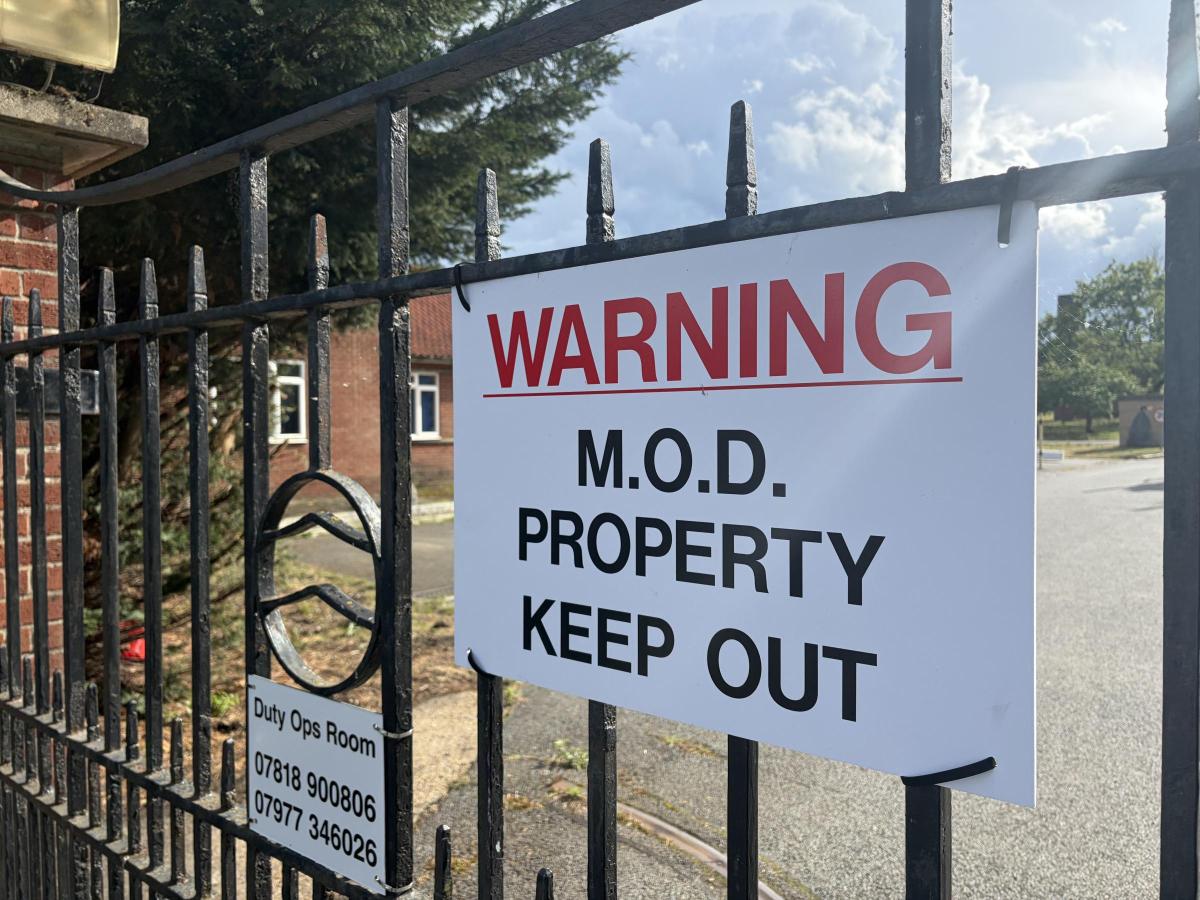
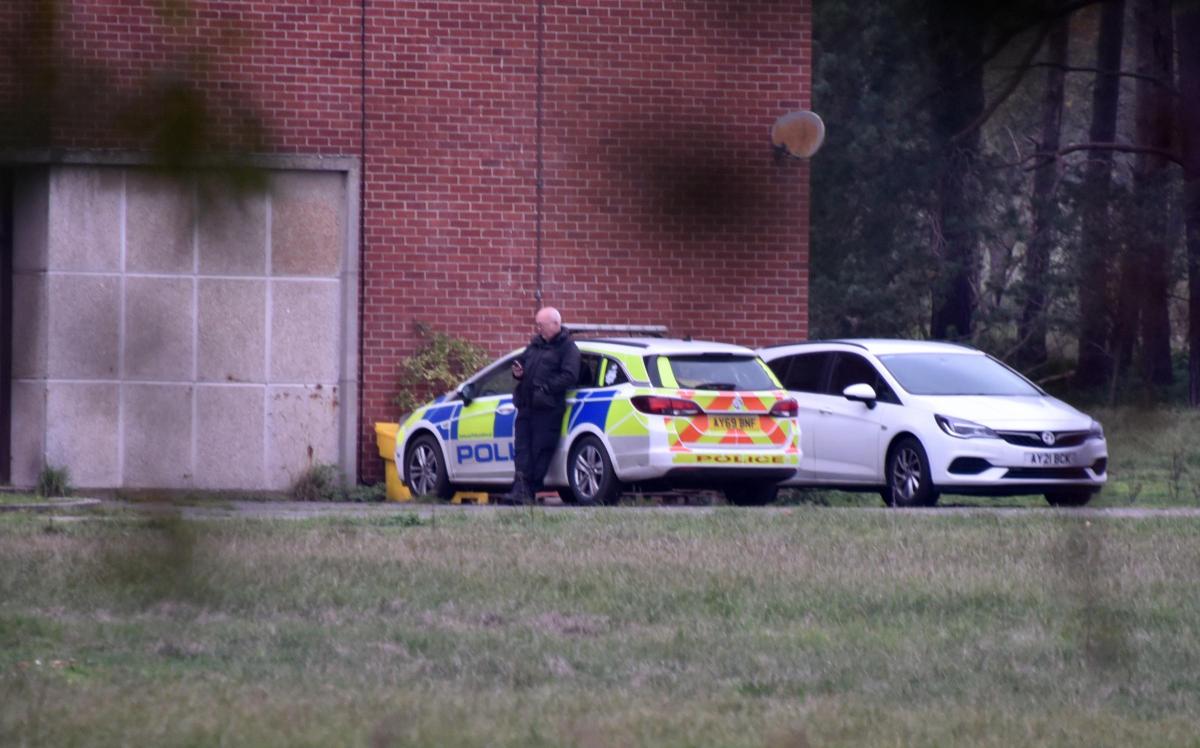
But lurking on its outskirts is RAF Barnham, a former military base with a colourful past.
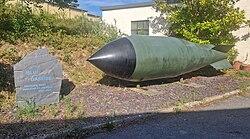
During the Second World War, the 440-acre site was used to store mustard gas. In the 1950s, it was home to Blue Danube, Britain’s first atomic bomb.
Villagers who have lived there for generations tell stories of keeping its military secrets safe.
The nuclear store was sold off in the 1960s, but the rest of the camp stayed in military hands and has more recently been used by Norfolk and Suffolk police for training.

For decades, the base sat quietly alongside the village, part of the furniture rather than a daily concern.
Then, in June, the Home Office made an announcement that threw Barnham and its gentle country people into the heart of a national debate.
The base that once kept Britain’s atomic secrets was to become a camp for single male asylum seekers, one of three former military sites earmarked to replace migrant hotels.
Five months on, the village is preparing to hold a referendum on leaving the UK.
So how did we get here?
THE WHISPERS
In early June, those living near the base noticed something was afoot.
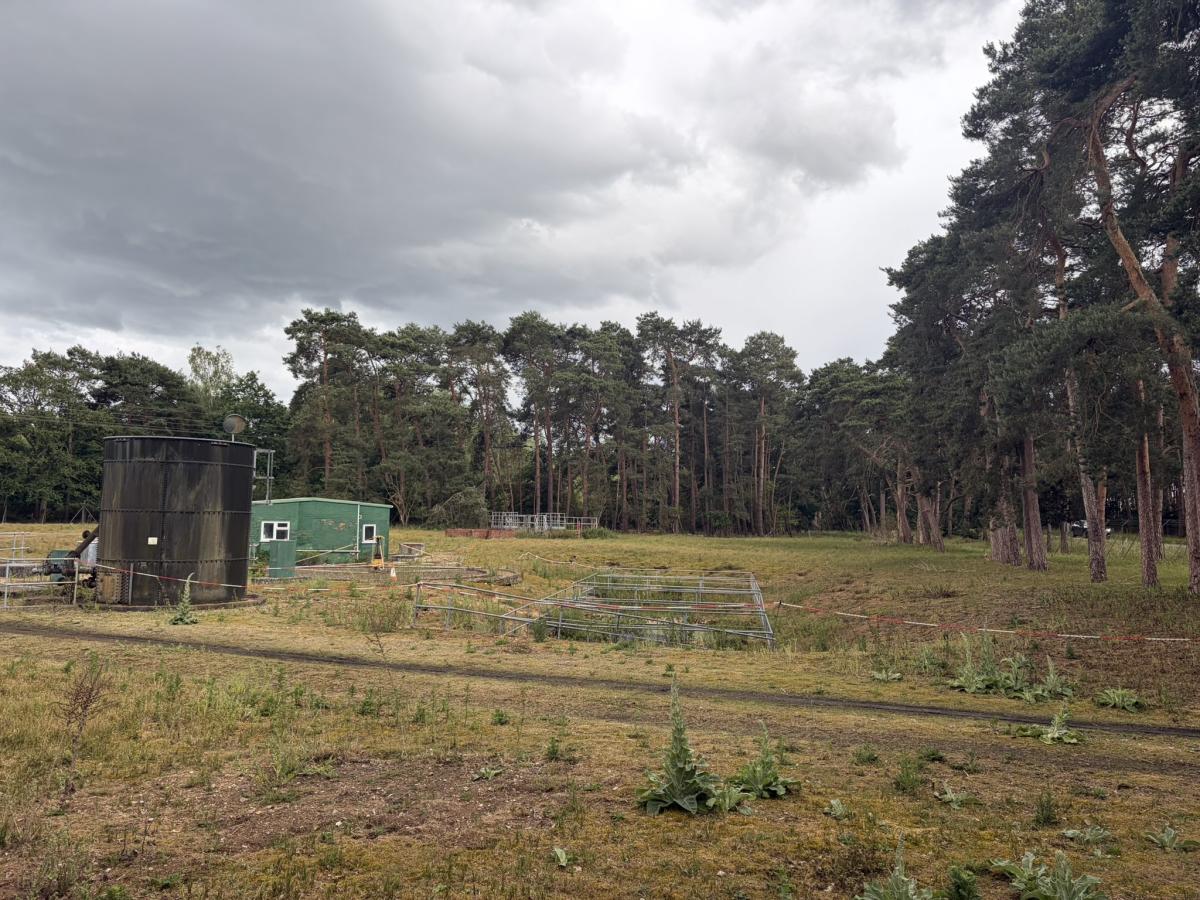
A perimeter fence was put back up and topped with barbed wire, buses were seen coming and going, and workers turned up at a waste facility beside the camp which had been unused for some 20 years.

When asked whether migrants were being moved in, the Home Office would neither confirm nor deny it.
Nick Timothy, the Conservative MP for West Suffolk, said he was “alarmed” and demanded transparency.
FEAR IN THETFORD
Tensions were already running high just a few miles away in Thetford.
On June 18, speculation over the base boiled over at a town council meeting, where locals had gathered to demand answers about the plans and wider immigration concerns.

South West Norfolk MP Terry Jermy was followed by members of the public as he left.
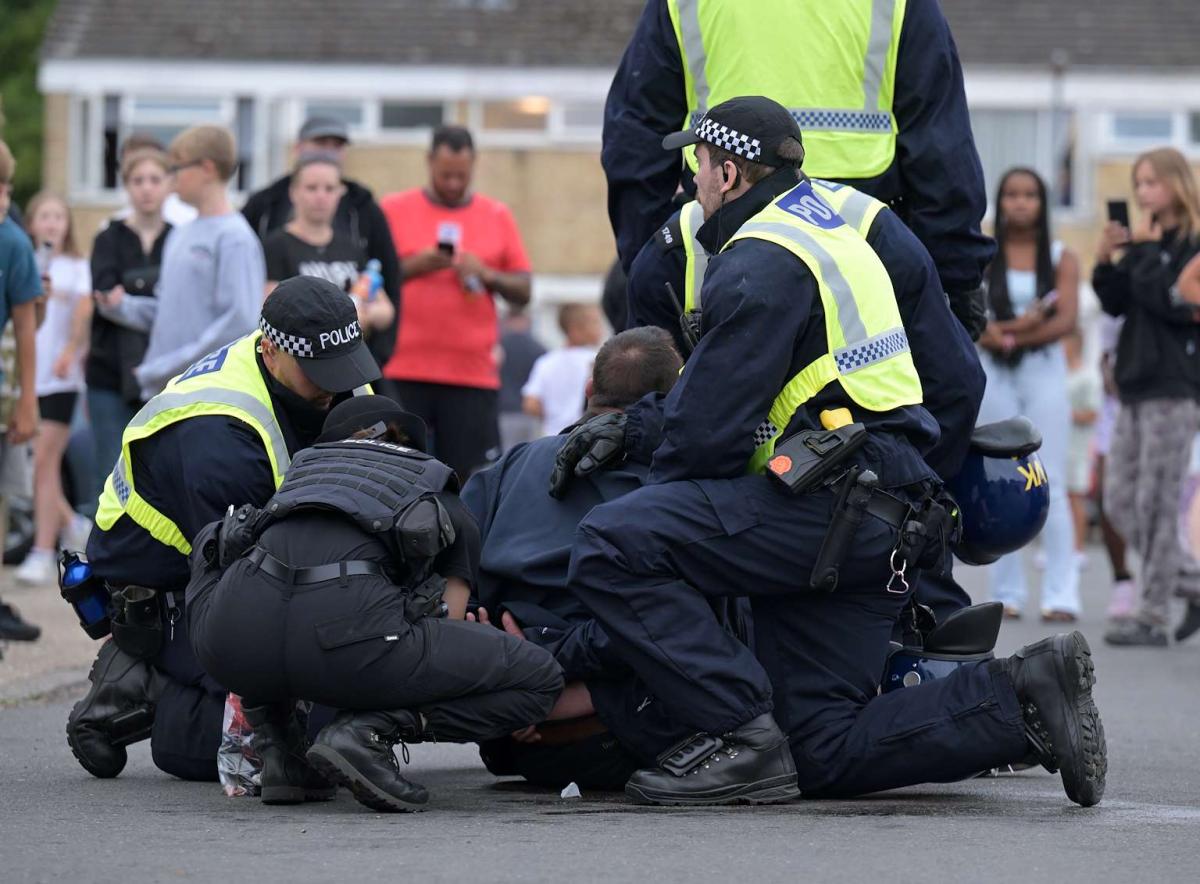
Councillors were kept inside for their own safety, and a man was arrested.
THE ANNOUNCEMENT
Days later, the rumours were confirmed.
On June 25, the Home Office named RAF Barnham as one of three former military sites, alongside MoD Bicester and MoD Linton-on-Ouse, which could house up to 3,750 asylum seekers between them.

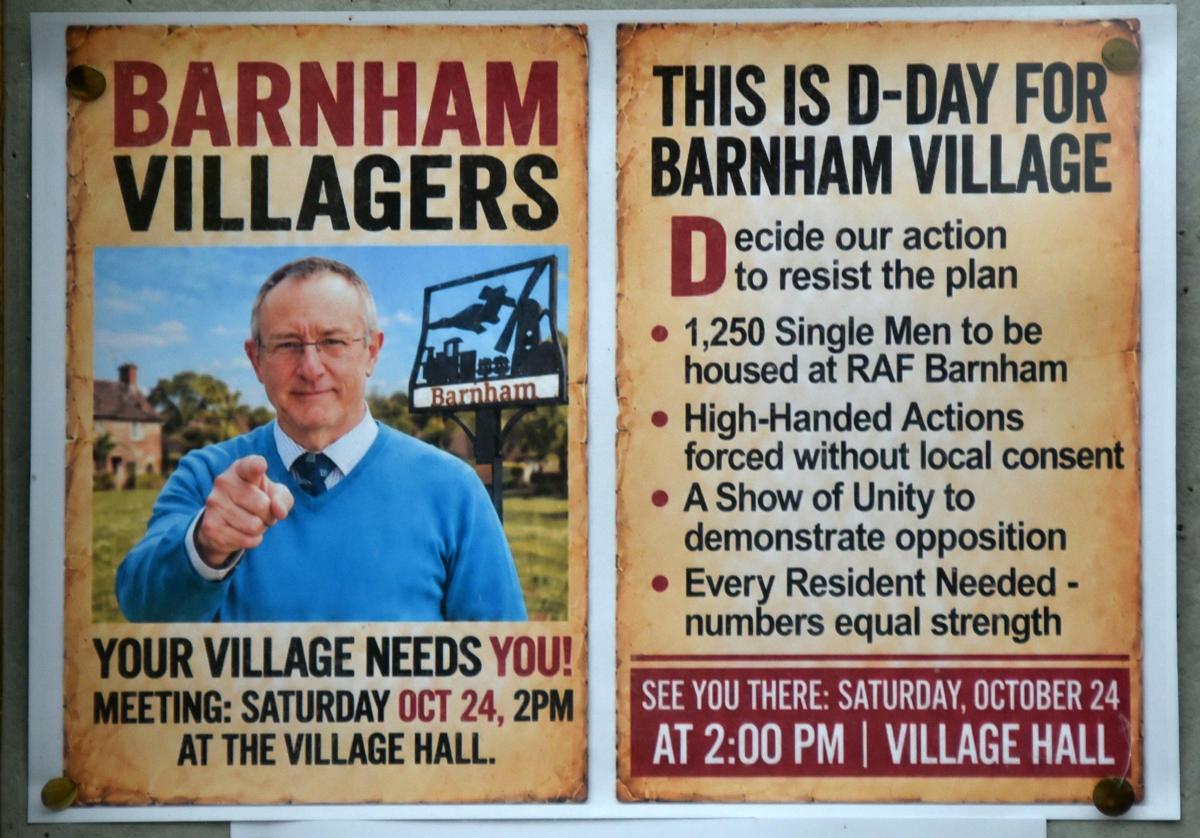
Ministers, whose initial plans earmarked the base for 1,250 migrants, said it was part of a drive to close every asylum hotel.
Within days, peaceful protests had begun at the gates, with hundreds gathering at their peak to make their voices heard.
Weeks later, a Home Office factsheet laid bare the details of ministers’ plans.
The site would house single men aged 18 to 65 for at least a decade, with the plans fast-tracked through Urgent Crown Development, a planning route which bypasses the local council.
POLICE SOUND THE ALARM
On August 3, it emerged Norfolk and Suffolk police, which train officers at the base, had warned the policing minister the plans posed a “critical risk” to their operations.

They said the government’s timeline for them to leave the site within weeks was not “achievable or realistic”.
The plans also scuppered the forces’ hopes of buying the site themselves.
THETFORD ERUPTS
That week, Thetford was rocked by some of the worst disorder the town had seen in decades.
After migrants were moved into an HMO in the town, crowds gathered outside and damaged the property, and police were forced to escort the men out.

Two more nights of disorder followed.
More properties were attacked, more migrants were led to safety, and officers and riot police were drafted in from across East Anglia.
While the trouble was sparked by HMO concerns, the plans looming over Barnham are thought to have added to the vitriol.
BARNHAM PLOTS
While Thetford battled its own troubles, Barnham was mounting its own defence.
At first, the village took the plans on through the planning system and much of the effort centred on the site’s environmental protections.

The base is home to the stone curlew, a rare protected bird, and its land is thought to be contaminated after decades of storing munitions.
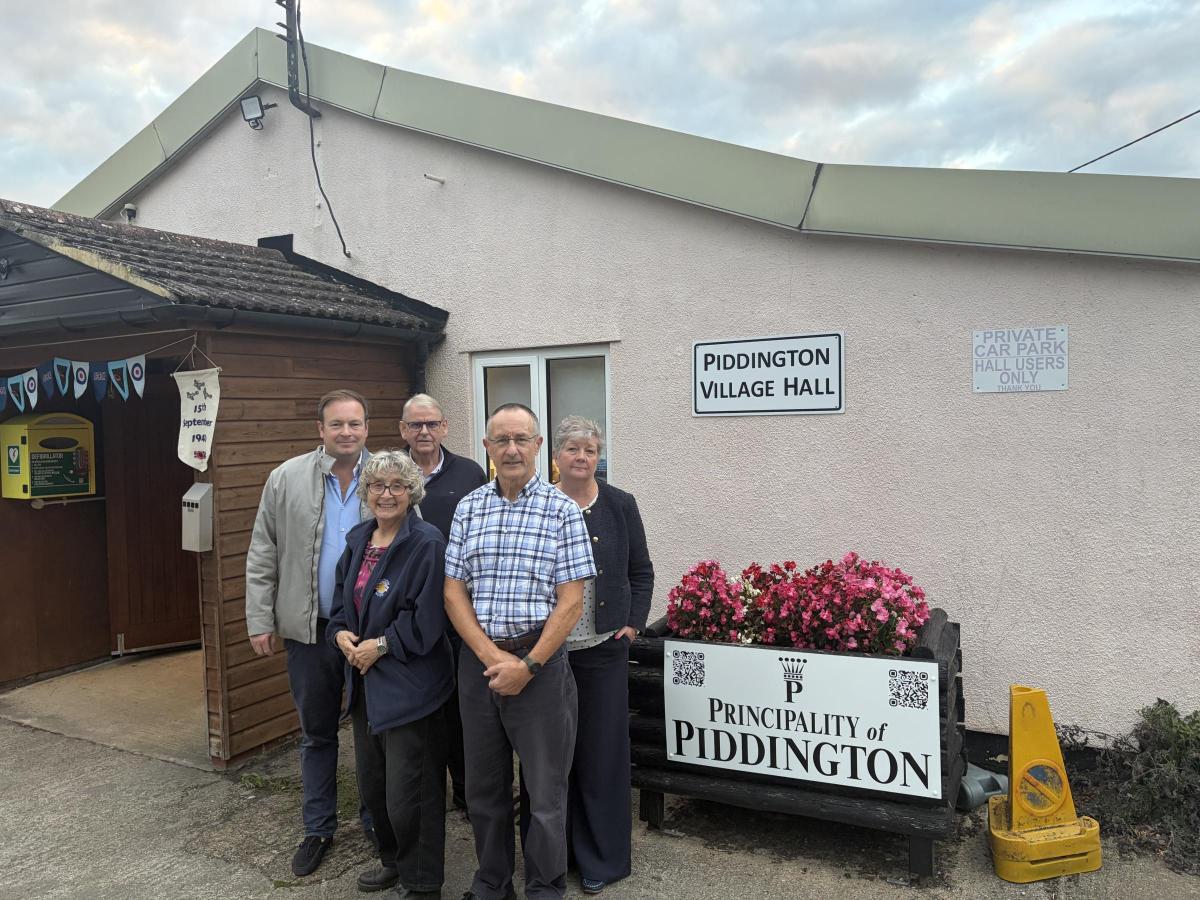
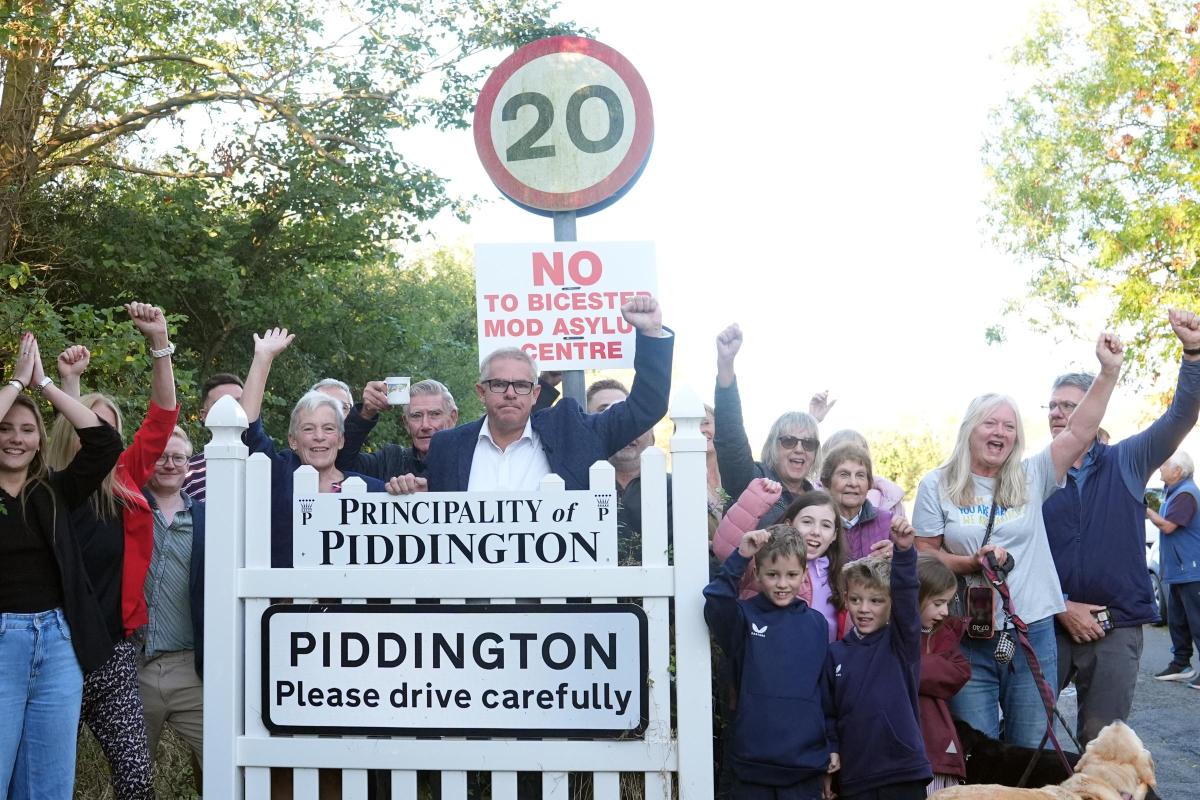
But in September, villagers watched as Piddington, which is fighting similar plans at nearby MoD Bicester, held a referendum on leaving the UK, and they took note.
Soon after, a small group from Barnham made the trip to the Oxfordshire village, where they were handed a blueprint for a far bolder fight.

Piddington’s leaders urged them to hold a referendum of their own.
They also encouraged them to make the most of Thetford-born Thomas Paine, and of Dad’s Army, which was filmed in the area, to catch the eye of Donald Trump.
QUIETLY SCALED BACK
On October 13, the Home Office quietly withdrew its planning application.
The next day, a new, scaled-back application was lodged for up to 931 asylum seekers.
The Home Office said it reflected an “amended layout” following its assessment of the site.
Later that month, at a packed meeting in the village hall, locals voted overwhelmingly to go ahead with the referendum.

Just seven of the 80 people there voted against it.
It was a significant moment.
Only weeks earlier, the idea had divided some in the village, with one councillor dismissing it as a “waste of time” and another local fearing Barnham would be “made a laughing stock”.
£3.4M BEFORE A DECISION
In November, it emerged the Home Office had handed construction giant Kier a £3.4m contract to design the camp, before the plans had been approved.
The deal covers design only and can be cancelled by ministers at any time.
But it led critics to question whether the plans for the base were a foregone conclusion, despite the Home Office insisting no final decision had been taken.
Those fears grew last week, when plans for MoD Bicester, near Piddington, were granted planning permission.

The Oxfordshire village has vowed to launch a legal challenge against the decision, but in Barnham it fuelled fears that they would be next.
THE BAILIWICK OF BARNHAM
Despite the ominous signs, the village has vowed to press on with its “glorious revolution”.
Its referendum will be held in the village hall on Saturday, with polls open from 10am to 4pm.
The vote is purely symbolic and not legally binding.

But if villagers back it, Barnham will declare itself an unofficial Crown Dependency, in the style of Jersey and Guernsey.
The Isle of Man is also a Crown Dependency, but does not carry the bailiwick title.
Jersey and Guernsey are both bailiwicks, territories traditionally run by a bailiff, an arrangement dating back to the 13th century.
The word itself combines the Old French for bailiff with “wic”, an Anglo-Saxon word for village, and translates literally as “bailiff’s village”.
WHAT NEXT?
Whatever Saturday’s result, the fight will go on, led by the 40-strong Barnham Residents Association, or BRA for short.
The Home Office had hoped to move the first migrants in before Christmas.

But with the £3.4m design contract now running until January, that timeline is expected to slip.
Even so, time could still be running out, with planning approval possible at any moment.
What began with barbed wire and local whispers has turned a sleepy Suffolk village into a symbol of one of the most bitter rows in British politics.
Ministers insist military sites are the answer to closing costly asylum hotels. Villages like Barnham insist they are not the place to do it.
On Saturday, the village will have its say.
Whether anyone in Westminster is listening is another matter.


Share