



A Norfolk bishop who warned antisemitism was "virulent" voted for the Church of England to "engage with" a document describing Israel as a "colonial enterprise based on racism" and accusing it of "genocide".
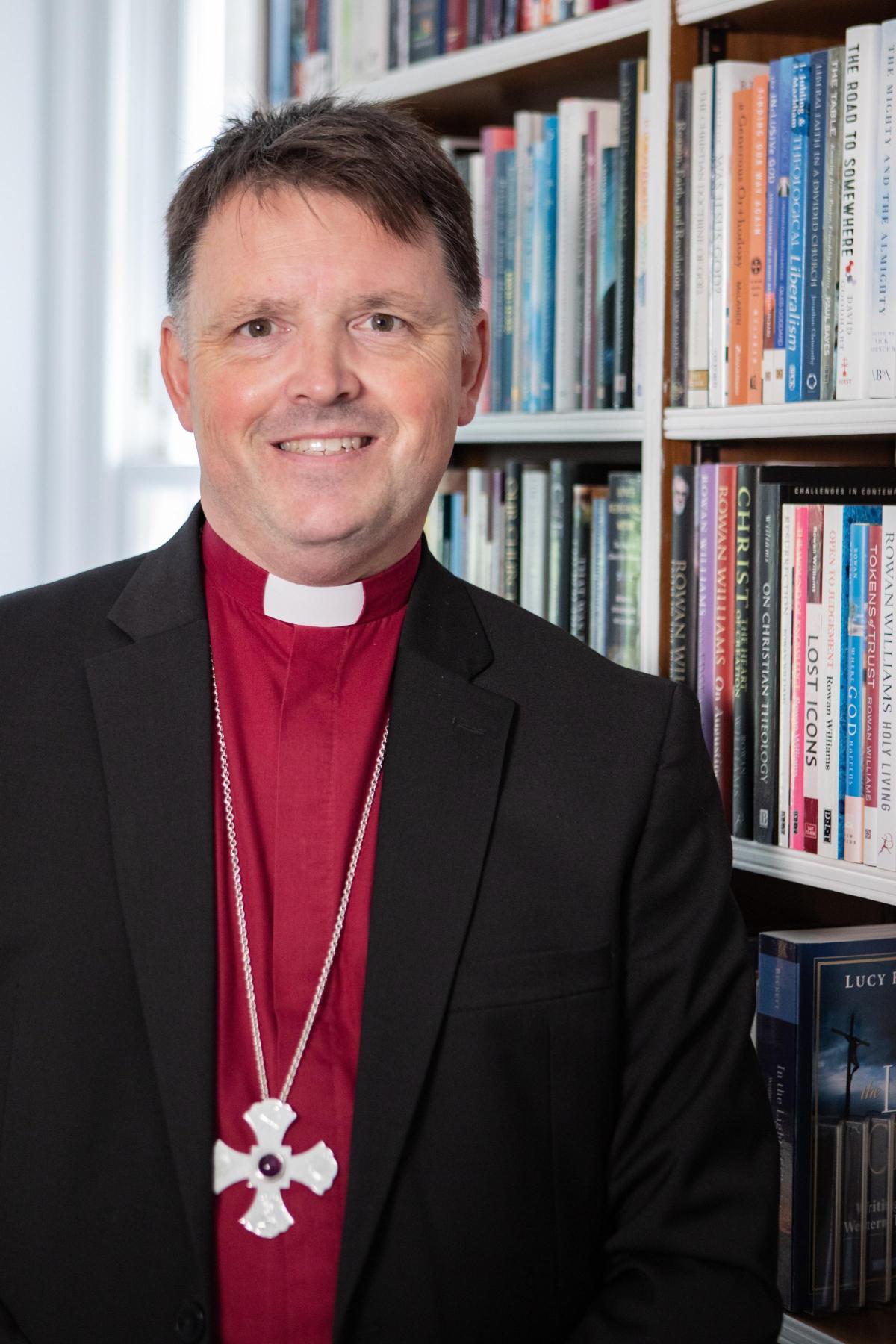
Rt Rev Graham Usher, the bishop of Norwich, supported the motion at the General Synod which has prompted outrage among British Jews.
Ephraim Mirvis, the Chief Rabbi, said the vote was "shameful", while Phil Rosenberg, President of the Board of Deputies, said it undermined the Church's efforts to tackle antisemitism.
Bishop Graham - who wrote an article for this newspaper earlier this year describing antisemitism as a "scourge and a form of evil that must be confronted in all its manifestations" - was one of 25 bishops to vote in favour of the motion to "hear" a document called Kairos II.
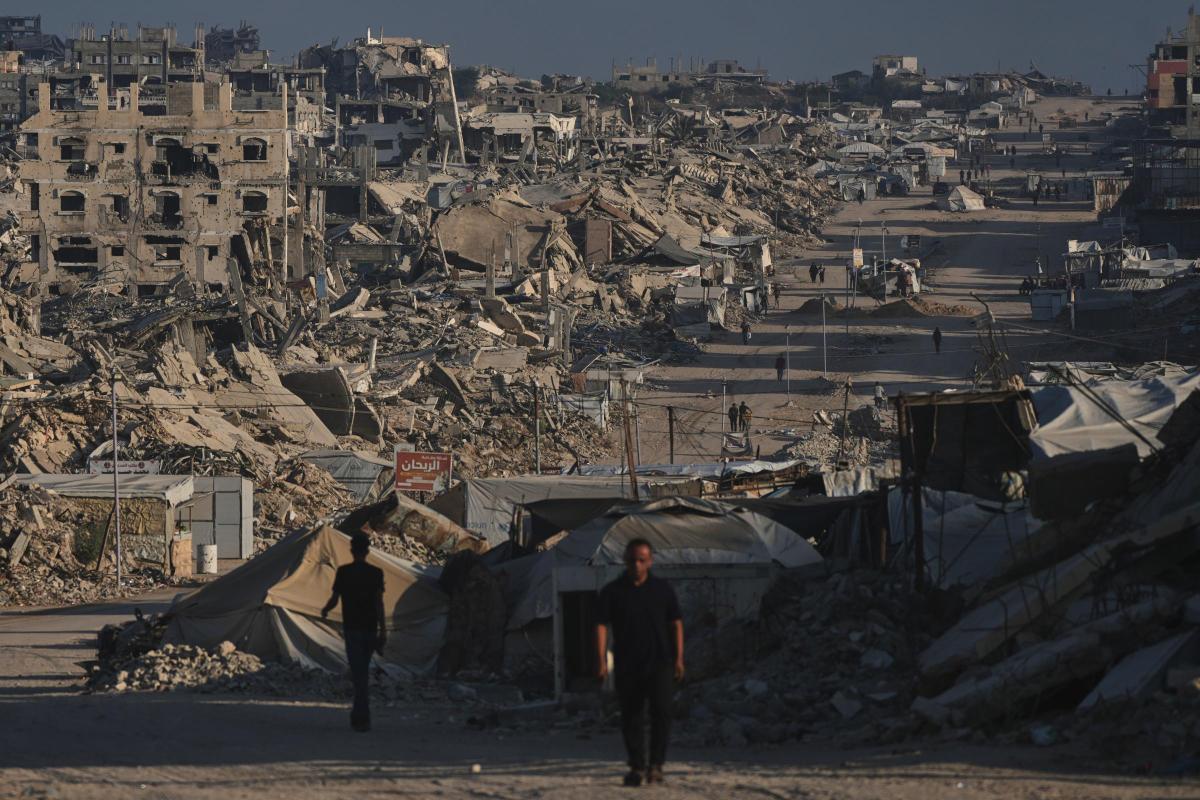
It has been compiled by Palestinian Christians and refers to the "genocidal war on Gaza".
"Zionists do not want us to remain on our land," it said. "Their plan for us is displacement, death or submission."
Rabbi Mirvis said: "It is shameful that the Church of England General Synod has recommended engagement with Kairos II. This is a sad day for Jewish-Christian relations.
“This is a document full of falsehood, which openly rejects dialogue, uses extreme rhetoric to challenge the very existence of Israel and objects to existing peace agreements in the region."

Phil Rosenberg, president of the Board of Deputies of British Jews, said: "The motion passed at General Synod is highly problematic.
"Kairos Palestine may come from a place of genuine pain, but the falsehoods and distortions of Kairos II, including its erasure of Jewish identity and experience, is a prescription for more division and not the answer to conflict in the Middle East.
"There is also a clear tension between the incendiary wording of the document and the Church’s expressed aim of tackling antisemitism."
Clergy and lay people at the Synod, which is meeting in York also voiced strong objections.
But supporters of the motion argued for the importance of listening to the voices of Palestinian Christians, before it was carried.
While 25 bishops including Bishop Graham voted in favour, there were also five abstentions.
During the debate in York the Archbishop of Canterbury, Dame Sarah Mullally, supported engagement with the Palestinian papers, but emphasised this did not imply full agreement with them.
Dame Sarah said: "To hear the heartfelt expressions of the lived experiences of the Palestinian Christians does not mean we agree with everything in these documents, but it does mean that we listen with compassion and stand in solidarity with them amidst the many injustices they face.
"More than ever we need critical and respectful dialogue – one that includes the voices of Palestinian Christians, as well as our Jewish and Muslim friends."

Dame Sarah warned Palestine was "disappearing" as thousands were forced from their land and spoke of the “palpable” fear of people in that area, which she visited last month.
The motion commits the Church of England to engaging with the Kairos documents, promoting theological study, advocacy, and support.
It calls for a review of Church investment policies in light of the recent International Court of Justice advisory opinion on the occupied Palestinian territories, and urges the UK government to pursue a lasting peace in the region.
Conflict flared in the Middle East in October, 2023, after Hamas launched large-scale attacks on Israel from its bases on the Gaza Strip.
Some 1,200 Israelis were killed and 200 taken hostage in the initial assault, which prompted a major military response from Israel.
Since then an estimated 75,000 Palestinians and 2,000 Israelis have been killed according the Red Cross, while 90pc of Gaza's population have been displaced from their homes.