



A councillor has slammed "unacceptable" sewage spills at a popular beach as overflows reach nearly one a week.
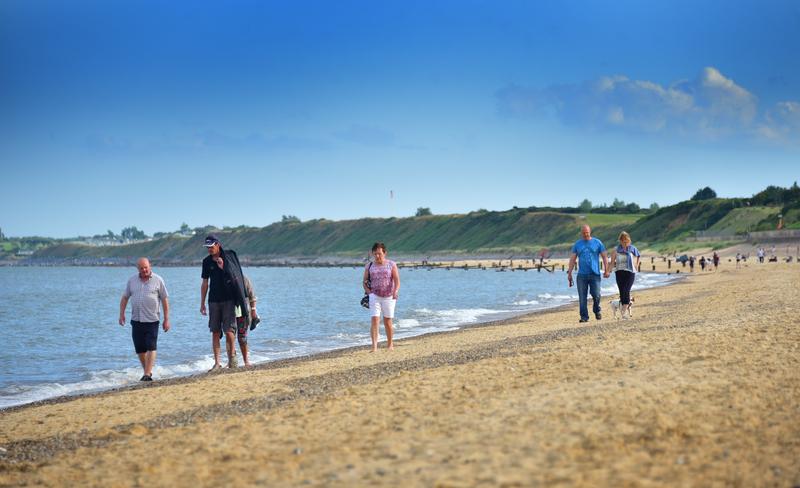
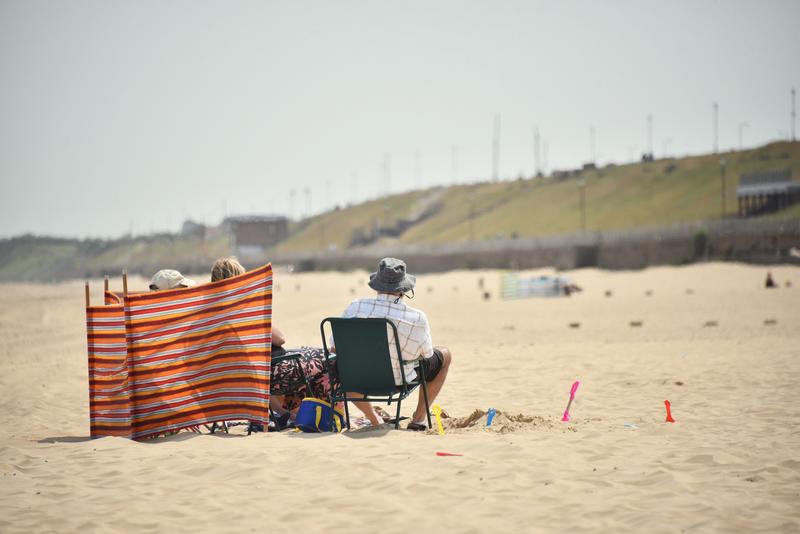
Gorleston beach draws in visitors from across the country and has even been named as one of the best in Europe.
However, a troubling statistic has showcased an Achilles heel.

The beach has seen 17 sewage spills so far in 2026 after 149 days which works out to an average of one spill every eight days.
A spokesman for Anglian Water said its investing £1 billion between now and 2030 to combat the issue.
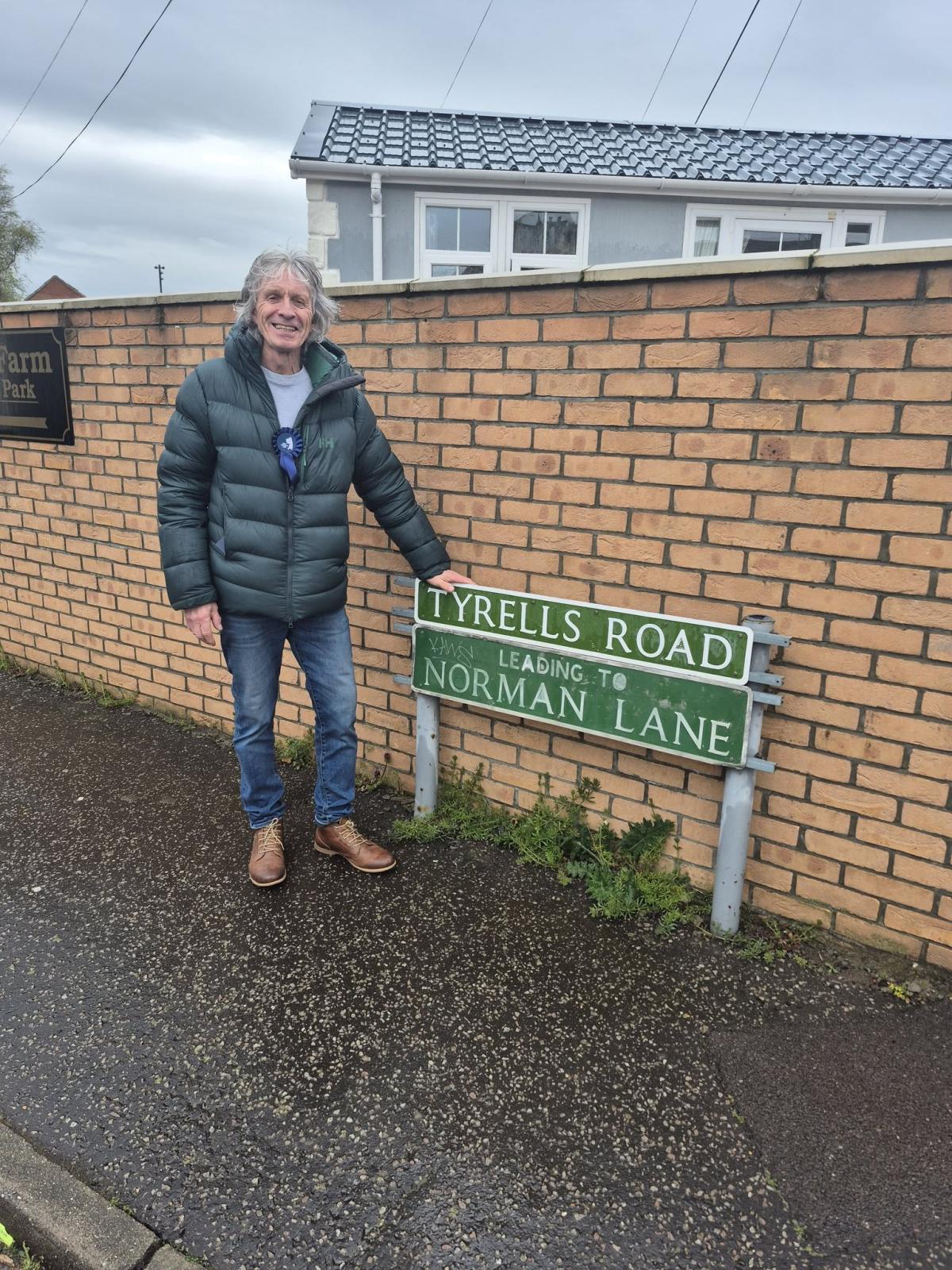
Great Yarmouth First councillor, Steve Grimmer, has branded the leaks unacceptable.
"As a newly elected councillor and member of the Safer Seas and Rivers Service, I’m deeply concerned by the scale of sewage discharges at Gorleston beach," he said.
"These repeated discharges are simply not acceptable.
"Anglian Water must act now—provide clear answers, reduce incidents and restore public confidence.
"I will continue to stand up for residents and push for urgent action to safeguard Gorleston beach."
How bad is it?

In May alone, Gorleston beach saw three sewage alerts, according to Surfers Against Sewage.
These occurred on May 3, May 14 and May 17, despite none happening in April.
In 2025, there was a total of 31 sewage spills, meaning 2026's total is already more than half of last year's after just five full months.
The sewage overspills are normally triggered by periods of rainfall, which result in storm overflow systems discharging into the sea.
A spokesman for Anglian Water, which maintains the systems, said: “We know our customers and communities feel strongly that storm overflow discharges are unacceptable.
"Our long-term goal is to completely stop using storm overflows, but getting there isn’t something we can do overnight.
"We’re investing £1 billion between now and 2030 to tackle storm spills by installing more stormwater storage and preventing rain and groundwater from getting into our pipes to begin with, making storm overflow activations less likely.”


Share