



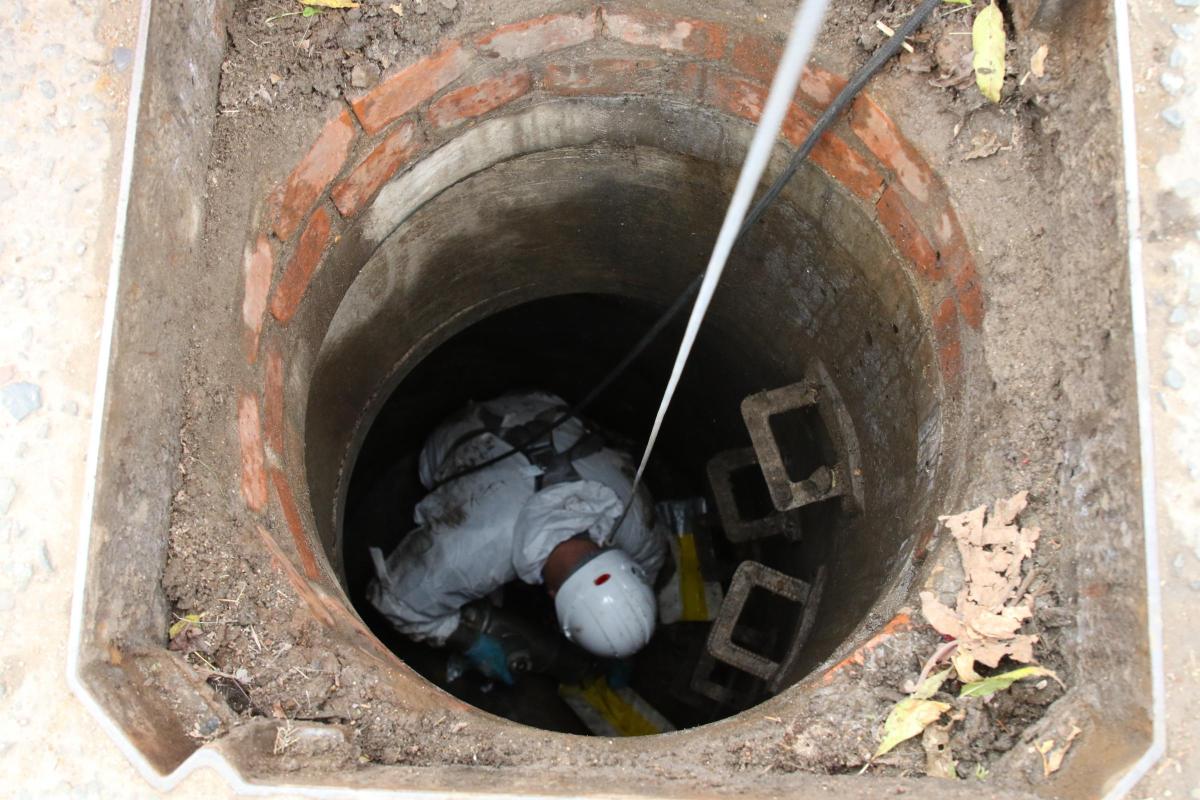

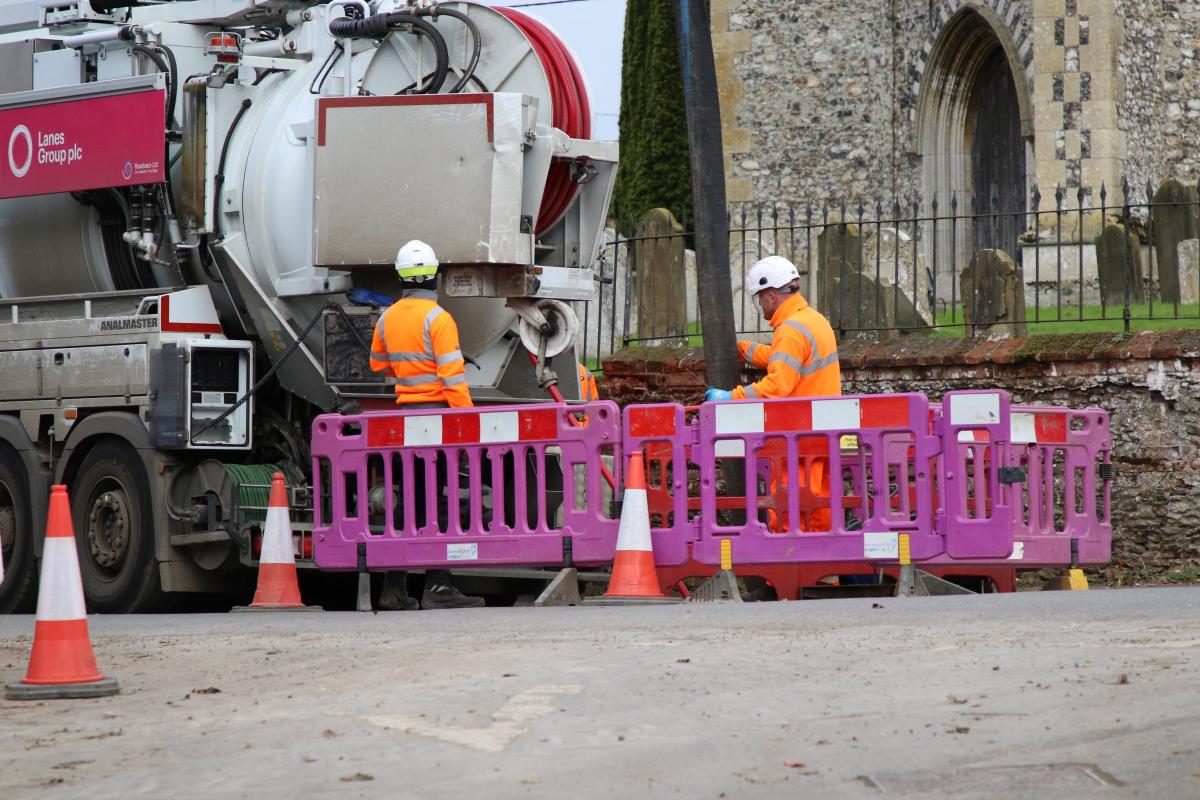

People could be delayed from moving into new homes in areas where sewers need upgrading before they can cope with new developments.
Anglian Water is warning developers it will object to planning applications in areas where its system is at risk of being overwhelmed.
The firm says it may also ask for conditions to be placed on some planning applications, stating new properties can not be occupied until it has carried out improvements.
"The situation is broadly the same across our region," a spokesman said. "There are pockets where we don’t have capacity, so we’ll be objecting or placing conditions on development.
"Obviously all of this is subject to the planning authority’s final decision."
A number of areas have suffered problems with sewers overflowing in recent years, including Pott Row and Grimston, near King's Lynn.

The government has told West Norfolk Council some 10,500 homes are needed in its area by 2040 to stave off housing shortages.
Water firms are not statutory consultees, meaning planning authorities are not legally-obliged to take their objections or any conditions they request into account.
North West Norfolk MP James Wild said: "I have supported making water companies statutory consultees for planning applications for housing given the obvious pressure these place on the existing sewerage network.
"Anglian Water should already be opposing housing developments if their network can’t cope and councillors should only approve applications if upgrades are planned and delivered."
The issue first became public at a full West Norfolk council meeting, when Heacham councillor Terry Parish said there were at least 30 locations where AW intended to object including Heacham and Burnham Market.
Jim Moriarty, the council's cabinet member for planning, said the council was formulating its response.
He added: "It's not satisfactory for Anglian water to somehow step back and stop the development that this central government is pushing on us by saying they won't carry out their statutory duties."
WHAT'S THE PROBLEM?

Areas where there have been issues include Pott Row, near King's Lynn and the nearby village of Grimston.
AW blamed the problem partly on new homes overloading its system.
Despite a £1.1m upgrade including relining sewers to prevent groundwater entering during heavy rainfall, another flood took place in February.

Villager Mark Dye, who is also spokesman for the Gaywood River Revival campaign group, said: "We are often critical of the way Anglian Water deals with local pollution issues, but we support their position on further development in sensitive areas, particularly where their sewage treatment works, such as Grimston are at full capacity.
"This is something that should be looked into nationwide."
There have also been problems with flooding at Burnham Market, where locals say the village's sewers cannot cope with the number of extra properties which have been built in the area, particularly large holiday homes which have replaced smaller properties in and around the Burnhams.
WHAT DOES ANGLIAN WATER SAY?

It added there were "a very small number of areas" where it completely objected to development, including Burnham Market, Middleton and Heacham in west Norfolk.
"Generally, most of the rest of our over-capacity sewage treatment works in west Norfolk are very small sites, serving very rural areas," it said.
"So in these situations we’d need to work with developers to be satisfied that development wouldn’t cause a risk to the environment."
It added its region is one of the fastest-growing in the country, with 720,000 new residents expected by 2043, including a 9pc increase in Norfolk’s population.
“Under the Water Industry Act, a site with planning consent has an automatic right to connect new homes to our water and sewerage networks and as a water company, we are not a statutory consultee in the planning application process," it said.
"Therefore we don’t have powers to prevent connections from new housing.
"However, in order to ensure we’re protecting the environment, we do need to take into account the capacity we have available in growing areas.

"In locations where additional homes would exceed existing capacity and be a risk to the environment, we may object or request that the local authority put a condition on the planning application to give us time to complete upgrades."
It added while some areas are "at or beyond" their waste water treatment capacity, it was planning to spend £280m on upgrades over the next five years.
It said it does have the capacity for the new homes needed in the region, provided they end up in the right areas.
It comes after the company was taken to task over how it is going to cope with growth proposed for neighbouring North Norfolk.
In May it also emerged that AW was the subject of 22 criminal investigations for illegally dumping sewage into waterways.


Share