





Tension is mounting over the future of Norfolk's councils, with the starting gun on a new scramble for power predicted to be fired next week.
The prospect of councils being abolished and redrawn in the biggest shake-up of local government in Norfolk and Waveney since 1974 is expected to take a significant step forward within days.
The imminent publication of a government white paper will trigger jostling for position as to which councils would continue to exist and which could disappear.

Labour ministers, who pulled the plug on devolution deals the previous government had offered to Norfolk and Suffolk, are keen to transfer powers from Whitehall to the two counties.
But it has signalled a revived deal would have to come with local government reorganisation and a Norfolk and Suffolk mayor.
That elected mayor would lead a combined authority for the two counties and have powers over big ticket items such as transport, economic development and infrastructure.

The shift is likely to see the current two-tier system of county councils and the city, borough and district authorities, abolished and replaced with at least two - or potentially more - unitary councils.
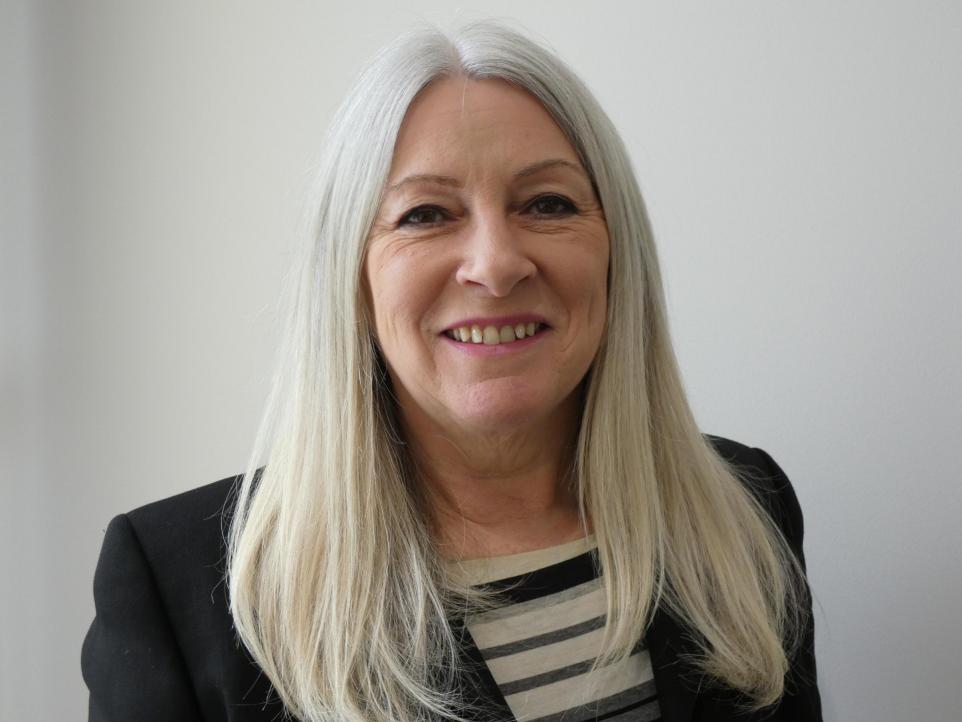
Norfolk County Council's Conservative leader Kay Mason Billig has called for a "grown up" reaction to whatever the government comes up with.
While there is a general acceptance some form of reorganisation is inevitable, it is likely that district councils - and the city council - would fight for their futures.
Previous attempts at local government reorganisation caused bad blood between politicians, including among those of the same political persuasion. They ended with the shake-ups being scrapped.

Mrs Mason Billig told county councillors at a meeting on Tuesday that all the current leaders had recently held a Teams meeting to discuss what the future could hold.
She said: "There was a sort of acceptance that if devolution happens, it is likely to be on a Norfolk and Suffolk-wide basis and we would get a mayor over both counties.
"Not everyone was entirely happy about that, but I think there was an acceptance that is the way the government is moving forwards.

"On local government reform, we don't know what we don't know, so there's no point us speculating about what the future shape of Norfolk and Suffolk might be at this point in time. We're waiting to see what the white paper says.
"We have agreed that the last thing that local government leaders need to be doing in our two counties is infighting.
"We've seen it happen before when local government reform raised its head in 2010 and 2016.
"We've agreed that we must be grown ups about this and we'll meet again in the new year, if not before, if we get some further information."
In 2016, the government offered Norfolk and Suffolk a devolution deal which would have seen powers devolved to local councils, bringing in £750m of new funding for infrastructure and £130m for new homes.
But the government insisted the two counties must have a single elected mayor - which led to Norwich, Great Yarmouth, Breckland and North Norfolk councils withdrawing from the process.
Other councils voted against it and the deal was taken off the table.
That followed a previous, bitter dispute over a switch away from the current two tiers of local government to a single tier unitary authority.
In 2009, the Boundary Committee recommended a single unitary authority covering all of Norfolk - which would have seen district and borough councils disappear.
Supporters said it would save money but critics questioned that and said it would take decision making away from communities.
Norfolk County Council made a play to become a unitary authority, as did Norwich City Council.

And it was announced that Norwich would become a unitary authority.
But at the 11th hour, shortly after the Conservatives and Liberal Democrats formed a coalition government in 2010, local government secretary Eric Pickles took steps to reverse that decision, so it never happened.
The current two-tier system, which means Norfolk has Norfolk County Council, Norwich City Council, Great Yarmouth Borough Council, Broadland District Council, South Norfolk Council, Breckland District Council, North Norfolk District Council and West Norfolk Council, was introduced in 1974.
The county council is currently responsible for services such as adult social care, children's services, libraries, museums and running tips, while districts deal with housing, leisure centres and parks. Unitary authorities would run all those services.

In some areas where local government has been restructured, parish and town councils, which cover much smaller areas, have been strengthened further, but some areas with unitary authorities do not have any.

Share